DMR SYSTEMS

Link your digital radios into one working network.

Construction

Public Safety & Emergency

Property Management

Transportation & Logistics

Manufacturing

Streamlining Business Communication With Complete Radio Systems
DMR systems overview

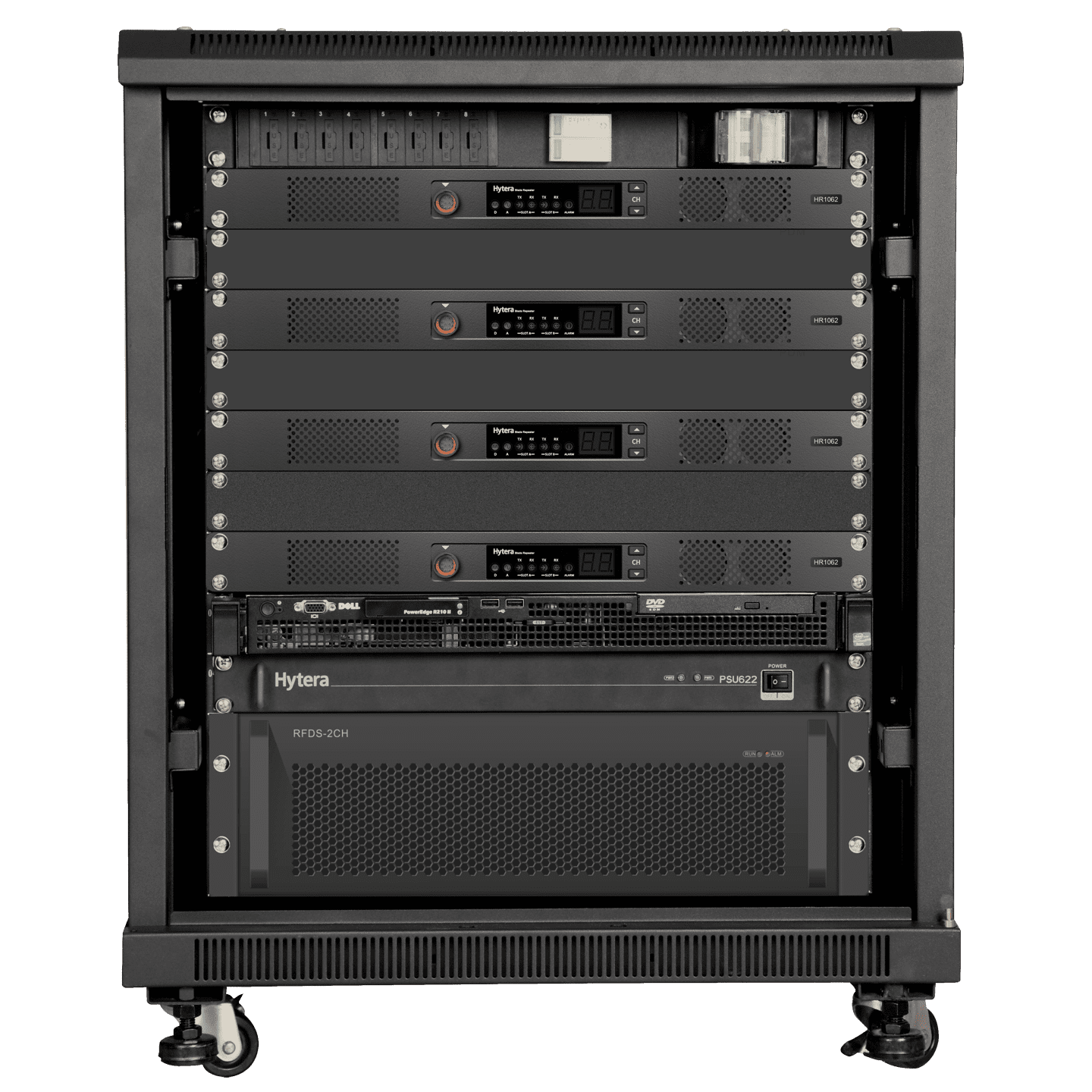
As teams grow, a single repeater at a tower is not always sufficient.
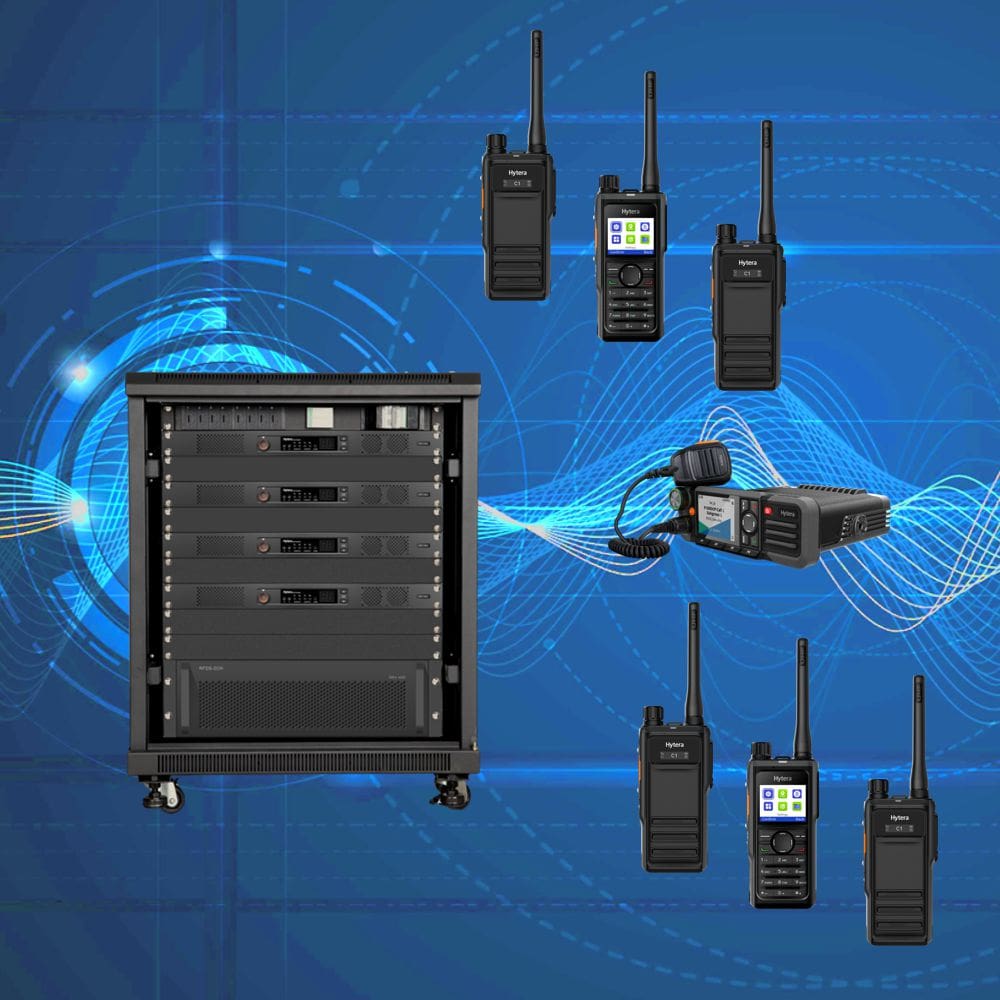
DMR systems connect many channels, sites, and users, so calls reach the right group without clutter.

We design paths that match how your crews move. Some stay on one yard. Others drive from job to job or across a vast region. With the right build, talk groups remain clear, and you can add more people without starting over.

Our options include:

  • Trunking for high traffic yards and plants

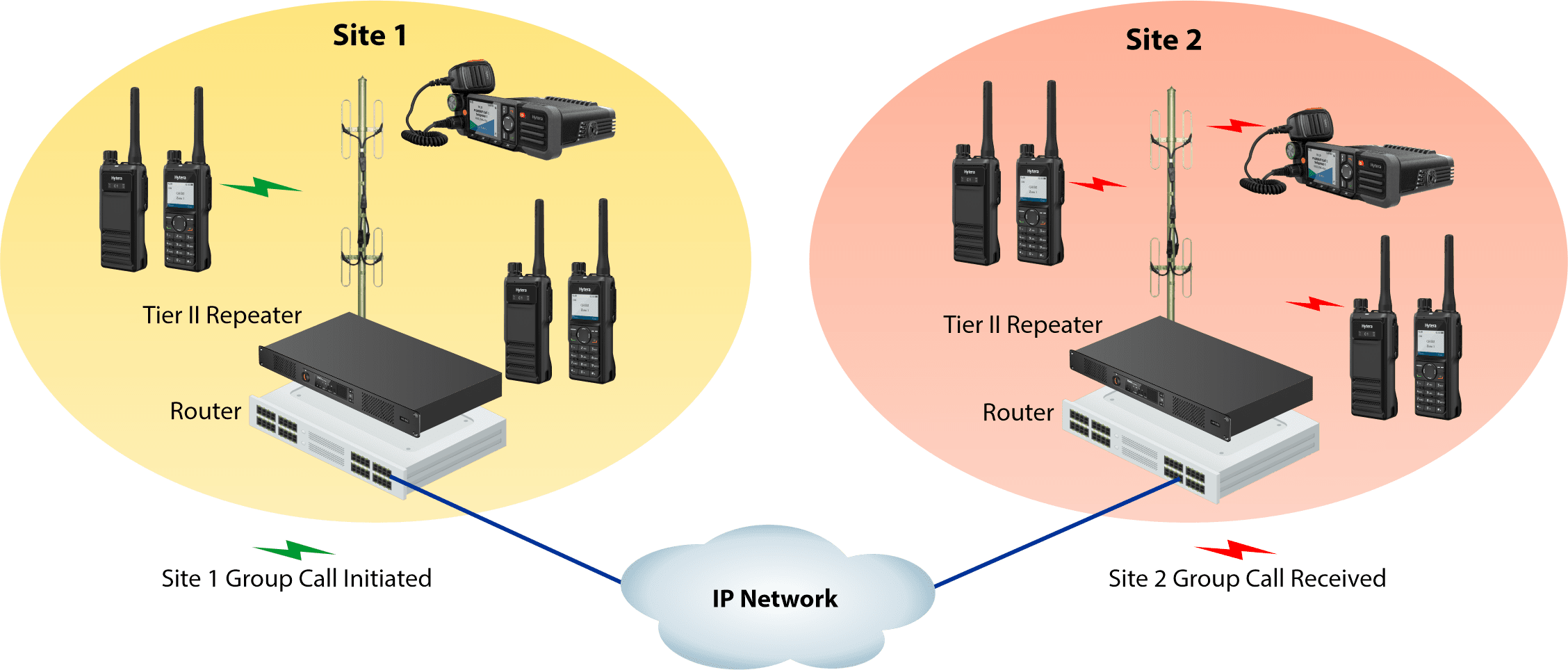
  • IP Site Connect for linking repeaters across towns or routes

  • XPT for smart channel sharing on a tight band plan

You can start small and grow into more advanced layouts as needed.

DMR Systems

Trunking

Trunked designs are built for busy channels and dense radio use.
A pool of repeaters and control logic routes each call to an available path, rather than locking each group to a single frequency pair.

Best when you need:

  • Heavy daily traffic in yards, plants, or hubs

  • Many talk groups overlap in time

  • Strong control of who can talk where

  • Room to expand without adding chaos

IP Site Connect

IP Site Connect links repeaters over data links, enabling users in multiple locations to share the same talk group. Drivers, field techs, and shop staff can all hear the same call even when they work in different towns.

Best when you need:

  • Clear voice across routes, towns, or large land areas

  • Crews who move but still need one main channel

  • Simple roaming between towers

  • A step-by-step way to tie current sites together

XPT

XPT (Extended Pseudo Trunking) uses smart timing to share channels among many groups without a full trunked core. It blends some of the control of trunking with the lower cost of a small system.

Best when you need:

  • More capacity than a single pair of slots can give

  • A tighter spectrum that will not support full trunking

  • A flexible way to add people and groups

  • A clear upgrade from simple repeaters

Get business done. Move from crowded channels to guided traffic.

One plan for every channel

Talk paths follow a simple map so users know which button to press.

More room without new licenses

Smart call handling lets more crews share what you already own.

Growth that stays under control

Add units, towers, and talk groups with a clear pattern.

Stronger uptime

If one path has trouble, others can help keep key calls moving.

DMR systems help turn scattered users into one coordinated operation.

  • Match talk groups to jobs, shifts, and roles

  • Cut repeat calls from supervisors and dispatch

  • Reduce “busy” tones and blocked calls

  • Support mixed use with trucks, yards, shops, and offices

  • Give leaders better insight into how channels are used

  • Build a platform that can grow with new projects

Not sure which path fits?