Religious Organizations Radios

Faster Team Updates. Clear Voice. Built for Ministry Days.
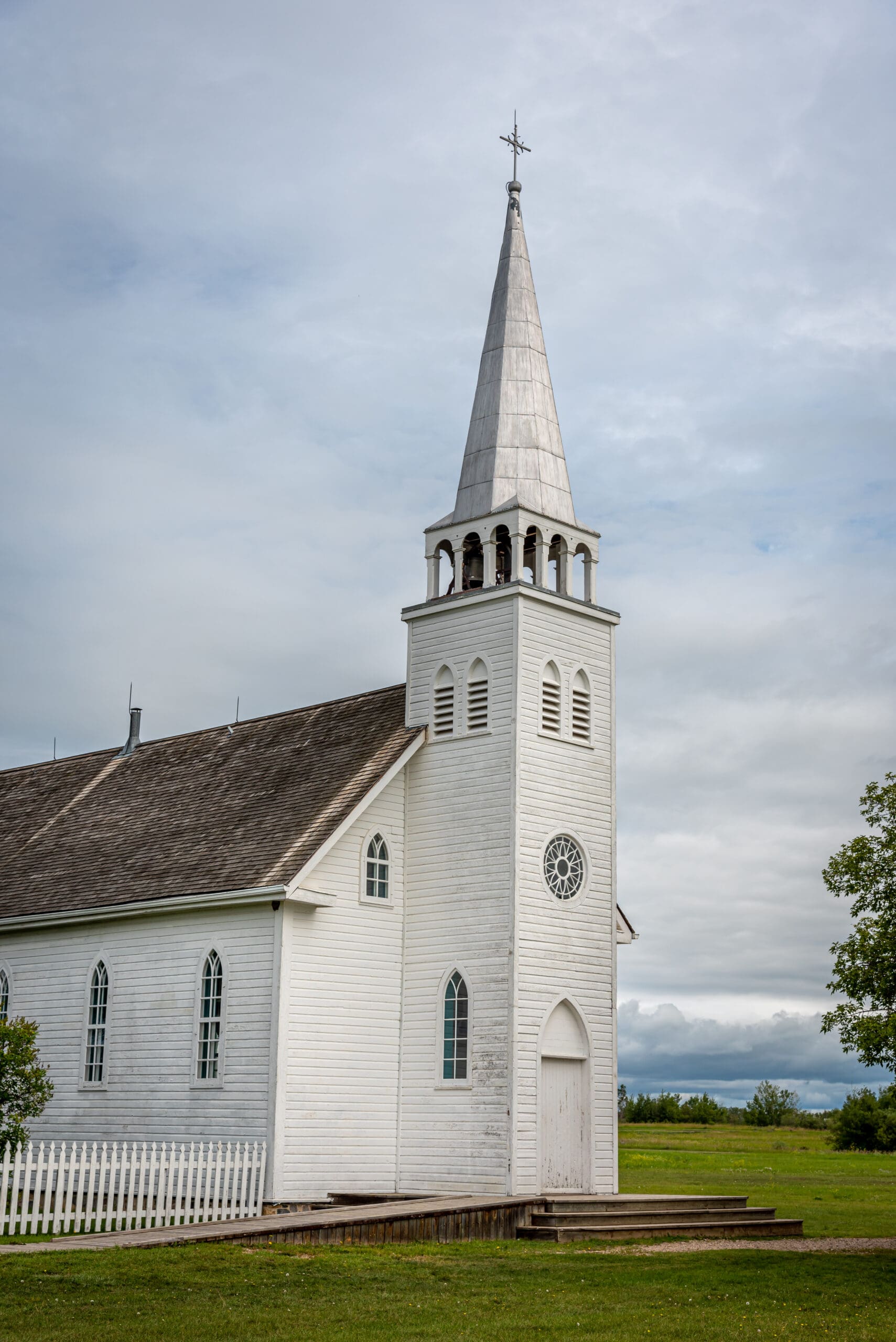
A church day can change fast. Parking backs up. A kids room needs help. A guest needs directions. A sound issue pops up right before worship starts. When teams cannot connect quickly, small problems feel bigger.

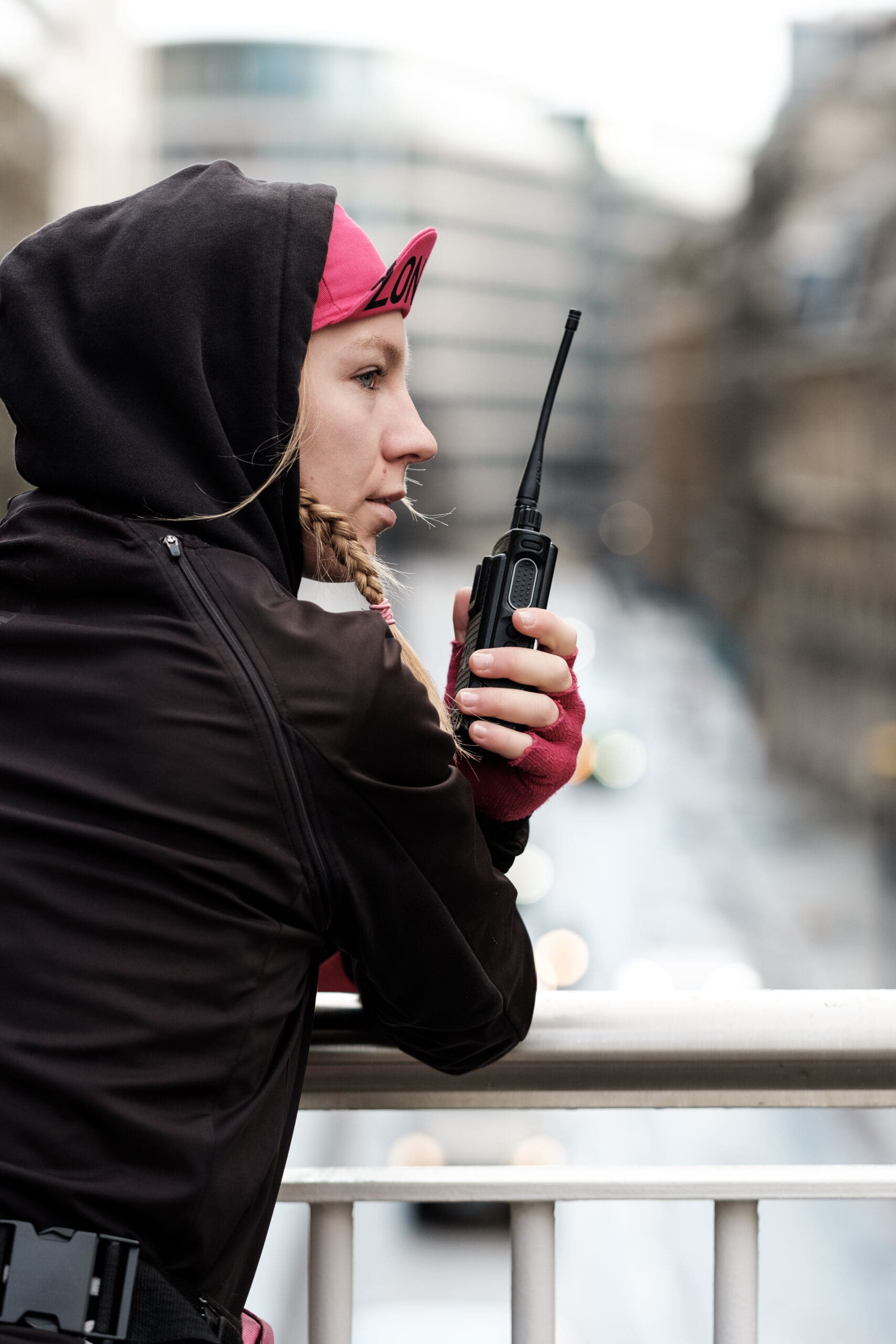
That is why many ministries use Religious organizations radios. One button sends a short message to the right team right away, without missed calls, long texts, or waiting for someone to check a phone.

Fleet Radio helps faith-based teams choose, set up, and support communication that fits real church life. If you have one building or a multi-campus ministry, Religious organizations radios can help reduce confusion, improve guest experience, and support a calm, safe environment.

Request a Quote to talk through your campus layout, volunteer roles, and weekly needs.

Modern voice communication that helps ministry teams move fast

A ministry team supports many areas at once: guest services, kids ministry, worship production, facilities, parking, security, and events. Phones can be on silent. Texts can get missed. A quick voice call on Religious organizations radios is easier to hear and easier to act on.

Common ways ministries use Religious organizations radios:

  • Parking team calling for extra help at entrances

  • Kids check-in asking for a runner or supplies

  • Ushers coordinating seating and overflow areas

  • Facilities responding to spills, restrooms, or HVAC issues

  • Worship team fixing last-minute stage needs

  • Security team coordinating an incident quietly

  • Event teams managing weddings, funerals, and conferences

  • Staff coordinating deliveries and vendor arrivals

What to look for in Religious organizations radios

Not every radio setup fits a church campus. The best choice depends on building size, construction type, noise levels, and how volunteers move. Use this checklist when planning Religious organizations radios.

Coverage that matches your campus

  • Thick walls and long hallways can affect signal

  • Multi-floor buildings need reliable reach

  • Basements and back rooms should be tested

  • Outdoor lots and entry points matter too

Audio that stays clear without being disruptive

  • Loud speakers help outdoors and in busy lobbies

  • Earpieces help in worship spaces and hallways

  • Noise control helps during crowded events

Simple controls for volunteers

  • Push-to-talk should be easy to learn in minutes

  • Clear channel labels reduce mistakes

  • Locked settings keep things consistent week to week

Battery planning for long days

  • Sunday services plus midweek events can be long

  • Multi-unit chargers support quick swaps

  • Spare batteries prevent dead units during peak moments

Durable gear for weekly use

  • Drops happen during fast movement

  • Clips and cases help prevent loss

  • Accessories should hold up to steady handling

Handheld Religious organizations radios for volunteers and staff

Most ministries start with handheld units. They are easy to carry, quick to use, and simple to assign by role. Fleet Radio can help you select handheld Religious organizations radios that match your team structure.

Typical handheld kits include:

  • Belt clips or carry cases

  • Remote speaker mics for hands-busy roles

  • Earpieces for quiet, guest-facing communication

  • Multi-unit charging trays for an office or tech room

  • Extra batteries for long events and special services

A clean channel plan matters. Instead of “Channel 1,” labels can match real teams like Parking, Kids, Guest Services, Facilities, Security, and Production. This makes Religious organizations radios easier for new volunteers and seasonal helpers.

Mobile radios for carts, security vehicles, and large properties

Some campuses use vehicles, carts, or patrol routes. Mobile units can add steady power and stronger reach, often with an external antenna. These can work well when the property is spread out.

Mobile Religious organizations radios can support:

  • Parking leaders covering multiple entrances

  • Security patrol covering lots and perimeter areas

  • Facilities teams moving between buildings

  • Shuttle teams moving guests during big events

Coverage planning for sanctuaries, classrooms, and outdoor lots

Church buildings can be unique. You may have older construction, thick walls, long hallways, and mixed-use spaces like gyms and auditoriums. A coverage plan helps avoid dead spots during services and events.

Fleet Radio supports coverage planning for Religious organizations radios by focusing on:

  • Testing known trouble spots like stairwells and basements

  • Confirming coverage in kids wings and classrooms

  • Checking parking lots and outdoor gathering areas

  • Setting channel rules that reduce chatter

In some cases, a repeater can extend range across a larger footprint. For multi-building campuses, this can help Religious organizations radios stay reliable from the main entrance to far buildings.

Push-to-talk over cellular for multi-campus ministries

Some ministries operate across a city or region. When leaders and teams move between campuses, cellular push-to-talk can help where cellular coverage exists. It can connect staff and key leaders beyond one site.

This approach can support Religious organizations radios needs for:

  • Multi-campus operations leaders

  • Central facilities teams serving several sites

  • Regional security leadership

  • Event staff moving between locations

Fleet Radio can help compare on-site radio systems and cellular options so your plan matches your needs and budget.

Rentals for conferences, holidays, and special events

Many ministries do not need a large inventory all year. Rentals can be a smart way to add capacity during high-attendance seasons.

Teams often rent Religious organizations radios for:

  • Easter and Christmas services

  • Conferences and guest speaker events

  • Vacation Bible School and kids camps

  • Large outreach events and community days

  • Weddings, funerals, and memorial services

  • Building projects and remodel periods

We can provide rental kits that arrive ready to use, with chargers, labels, and accessories so teams can start fast with Religious organizations radios.

Programming, labeling, and support that saves time

Radios work best when setup matches real ministry flow. Default settings can create confusion, loud alerts, or too many people talking at once. Clean setup keeps communication calm and helpful.

Setup support for Religious organizations radios can include:

  • Role-based channels for Parking, Kids, Facilities, Security, Production

  • Zone channels for large campuses

  • Clear labels that match volunteer job titles

  • Simple talk rules that keep messages short and respectful

Ongoing support can include:

  • Adding units as teams grow

  • Replacing worn mics, clips, and earpieces

  • Updating labels when roles change

  • Repair help when units get damaged

Don’t miss the call that protects guest experience

Many guest moments are small, but they matter. A fast answer at the welcome desk. A quick cleanup before the next service. A calm security response that stays discreet. The goal is not constant talk. The goal is the right update at the right time.

With Religious organizations radios, teams can coordinate quietly and keep services running smoothly without pulling attention away from worship.

A simple process for getting the right setup

1. Quick call: campus layout, attendance patterns, and team roles

2. Match options: handheld, mobile, coverage support, and accessories

3. Plan channels: labels that match ministry teams and zones

4. Deliver and stage: chargers, spares, and ready kits

5. Support: adds, changes, and repairs as needs shift

If you already have equipment, we can review what you use today and suggest practical improvements for Religious organizations radios.

FAQs about Religious organizations radios

How many radios should a church have?

Start with team leads for Parking, Kids, Guest Services, Facilities, Security, and Production. Add units for key posts and runners. Keep a few spares for battery swaps and last-minute adds.

Should every volunteer carry one?

Not always. Many ministries assign Religious organizations radios to roles and positions, then add more units during holidays and large events.

Can communication stay quiet during worship?

Yes. Earpieces and simple call habits help. Many teams use Religious organizations radios with clear rules for worship spaces.

How do we reduce chatter?

Use role-based channels, zone channels for large campuses, and short message habits. A clear channel map keeps Religious organizations radios useful, not noisy.

Will radios work in older buildings and basements?

Those areas can be harder. Coverage testing and antenna planning can improve performance of Religious organizations radios in tough spots.

Are rentals better for big holidays?

Often, yes. Rentals can add short-term capacity for Easter and Christmas without expanding permanent inventory of Religious organizations radios.

Do we need a repeater?

Some campuses do, especially multi-building sites or thick construction. A quick evaluation can show whether a repeater would improve Religious organizations radios coverage.

Can you standardize across multiple campuses?

Yes. Shared labels and repeatable kits help teams move between locations with less confusion while using Religious organizations radios the same way each week.

Need specs, manuals, or a quick volunteer training sheet?

If you need documents for purchasing, onboarding, or volunteer training, we can point you to the right materials for your setup.