education Radios

Faster Staff Updates. Clear Campus Audio. Built for Everyday School Life.
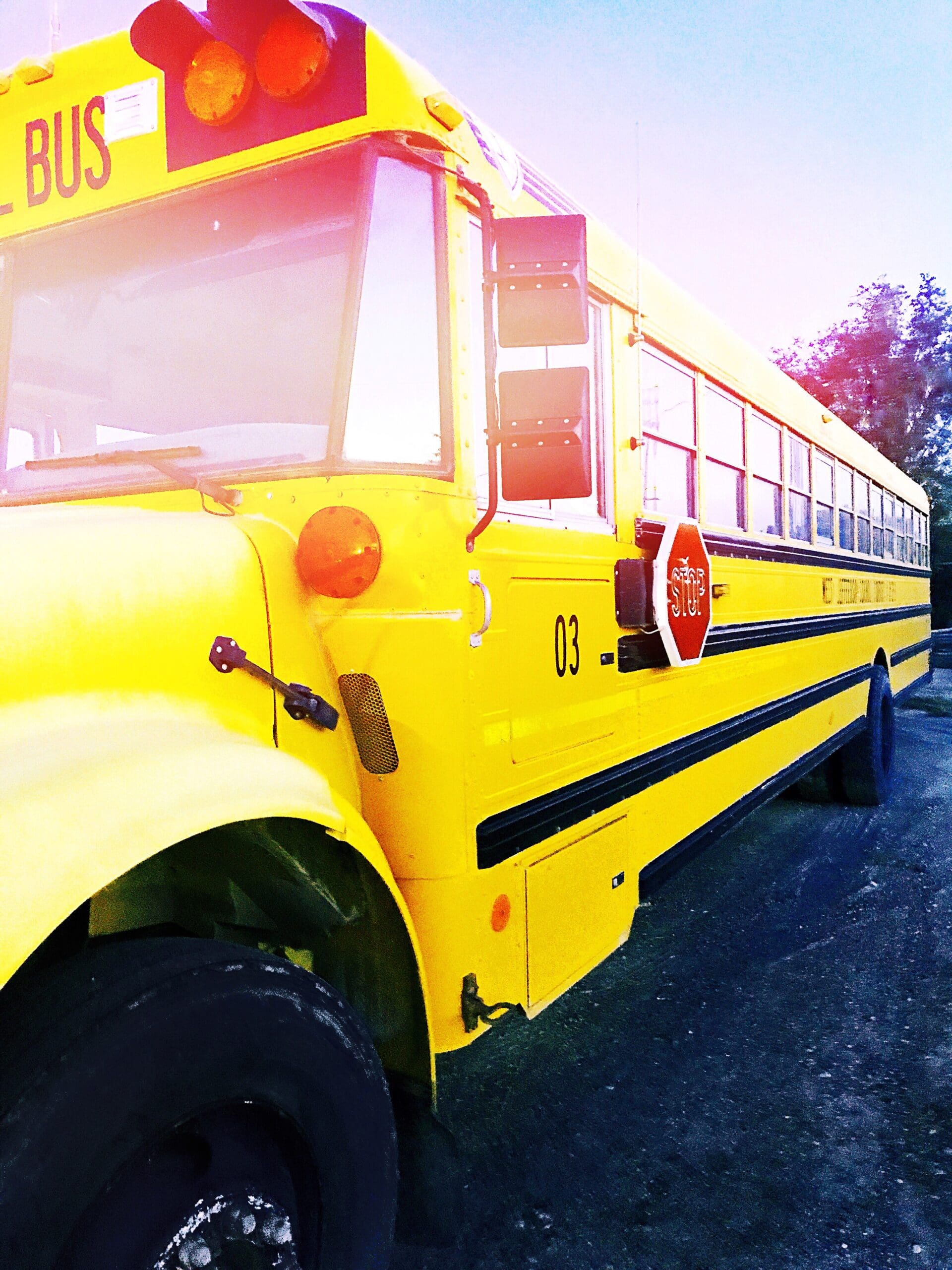
A campus can change fast. A student feels sick. A bus arrives early. A visitor needs help. A hallway needs eyes right now. When seconds matter, staff need a tool that works with one button.

That is why many districts use two way radios for schools. They help staff share quick updates without hunting for a phone, unlocking a screen, or losing time in a long call.

Fleet Radio helps education teams choose, set up, and support radios that fit real campus routines.

If you manage one building or a whole district, two way radios for schools can help you respond faster, cut confusion, and keep plans clear.

Request a Quote to talk through your campus size, staff roles, and daily needs.

Modern voice communication that helps staff respond fast

A school day has many moving parts: arrivals, lunches, dismissal, events, sports, drills, and after-school programs. Texting is often slow. Phone calls can go to voicemail. A radio message is short, direct, and easy to hear.

Common ways schools use two way radios for schools:

  • Front office to admin when a visitor arrives

  • Nurse to staff when a student needs help

  • Custodial to admin for spills, hazards, or doors

  • Hall monitors to admin for crowd control

  • Coaches to staff during games and practice

  • Bus loop updates during arrival and pickup

  • Event teams for concerts, graduations, and assemblies

  • Safety drills where fast updates matter

What to look for in two way radios for schools

Not every radio fits a campus. The right choice depends on building materials, number of floors, outdoor areas, and staff roles. Use this list when planning two way radios for schools.

Coverage that matches your campus

  • Classrooms, gyms, and cafeterias can block signal

  • Older buildings may have thick walls

  • Outdoor fields and parking areas need reach

  • Multi-building sites need a clear plan

Audio that stays clear

  • Loud speakers help in gyms and car lines

  • Noise reduction helps during events

  • Earpieces help in quiet areas like testing rooms

Simple controls staff can learn quickly

  • One button talk keeps training easy

  • Clear channel labels reduce mistakes

  • Locked settings prevent unwanted changes

Battery life that lasts all day

  • Long school days plus activities need strong battery plans

  • Multi-unit chargers help with daily resets

  • Spare batteries add peace of mind

Durable build for daily use

  • Drops happen

  • Weather happens during outdoor duty

  • A strong case helps units last longer

Handheld two way radios for schools

Most campuses start with handheld units. They clip on a belt, fit in a pocket, and work well for walking staff. Fleet Radio can help you pick handheld two way radios for schools that fit each role.

Handheld kits often include:

  • Belt clips or carry cases

  • Speaker mics for easy use during hallway duty

  • Earpieces for front office, admin, and testing times

  • Multi-unit chargers for the main office

  • Extra batteries for long days and events

A good rollout also includes a smart channel map. Instead of “Channel 1,” you can label channels by team, zone, or purpose. That helps two way radios for schools stay easy, even for new staff.

Mobile radios for buses, security carts, and facilities vehicles

Some roles stay in a vehicle. A mobile unit can be a strong fit for bus staff, security carts, and maintenance vehicles. These radios mount in a vehicle and often use an external antenna for better reach.

Mobile two way radios for schools work well for:

  • Bus loop control during arrival and dismissal

  • Stadium and parking support during events

  • Facility teams moving between buildings

  • District staff covering multiple sites

Coverage planning for buildings, fields, and multi-site districts

Campuses are not all the same. A small school may work fine with basic coverage. A large campus may need a stronger plan so messages work in stairwells, gyms, and far parking areas.

Fleet Radio helps schools plan reliable coverage for two way radios for schools by focusing on:

  • Signal trouble spots inside buildings

  • Outdoor areas like fields and car lines

  • Channel planning to reduce chatter

  • Simple rules for who uses which channel

In some cases, a repeater can extend range across a larger area. For multi-building sites, this can help two way radios for schools stay consistent from office to field.

Push-to-talk over cellular for district-wide communication

Some districts want one talk group that works across town, not only on one campus. Push-to-talk over cellular can be useful when staff move between sites and need one shared voice tool.

This approach to two way radios for schools can help:

  • District leaders who visit many buildings

  • Maintenance teams that cover multiple campuses

  • Security teams shared across sites

  • Event support at off-site locations

Fleet Radio can help you compare on-campus radio systems and cellular push-to-talk so your team picks the right match.

Rentals for events, short-term needs, and staffing surges

Not every need is year-round. Rentals can cover short windows without a full purchase.

Schools often rent two way radios for schools for:

  • Graduation and large ceremonies

  • Field day and outdoor events

  • Concerts and performances

  • Big testing days with added hallway duty

  • Temporary staffing changes

We can deliver ready-to-use rentals with chargers, labels, and accessories so staff can start fast.

Programming, labeling, and support that saves time

Radios work best when setup is clean and simple. Defaults can cause issues like wrong channels, loud alerts, or confusion about who talks to whom. We help schools avoid that.

Setup support for two way radios for schools can include:

  • Channel maps based on campus roles

  • Clear labels like “Office,” “Nurse,” “Custodial,” “Security”

  • Quiet options for spaces that need less noise

  • Rules that reduce cross-talk during busy times

Ongoing support can include:

  • Adding units for new staff

  • Replacing worn accessories

  • Updating channel labels after schedule changes

  • Repair help when a unit gets damaged

Service and repair

If a unit takes a hard hit, we can help assess the damage and get your team back online with minimal disruption.

Don’t miss the call that keeps students safe

A quick message can prevent a bigger problem. The goal is not more talk. The goal is the right update at the right time.

With two way radios for schools, staff can share short, clear messages that help protect students, guide visitors, and keep routines steady.

A simple process for getting the right system

1. Quick call: campus size, building layout, staff roles

2. Match options: handheld, mobile, repeater, or cellular push-to-talk

3. Plan channels: labels that match how staff work

4. Deliver and stage: chargers, spares, accessories

5. Support: adds, changes, and repairs as needs shift

If you already own radios, we can review what you have and suggest practical upgrades for two way radios for schools.

FAQs about two way radios for schools

How many radios should a campus have?

Start with admin, front office, nurse, facilities, security, and key duty roles. Add units for high-traffic areas and events. Include a few spares.

Should every staff member have one?

Not always. Many schools assign radios to roles, not every person. The best plan depends on building size and daily duty coverage.

Can radios stay quiet during testing?

Yes. Earpieces and alert settings can help reduce noise while keeping communication available.

How do we avoid too much chatter?

Use clear channel rules, role-based channels, and short message habits. Training can be simple and quick.

Will radios work in gyms and cafeterias?

Often yes, but those spaces can be loud and can block signal. Coverage planning and audio accessories help.

Can we use radios for sports and after-school programs?

Yes. Many schools use two way radios for schools for games, practices, clubs, and evening events.

Do we need a repeater?

Some campuses do, some do not. Multi-building sites or large grounds may benefit from one.

Can a district standardize across multiple campuses?

Yes. Standard labels and shared channel plans help staff move between sites with less confusion, using two way radios for schools in the same way everywhere.

Need specs, manuals, or brochures for your team?

If you need documents for purchasing, planning, or training, we can point you to the right materials for your setup.