Construction Radios

Faster Crew Updates. Clear Jobsite Audio. Built for Construction.
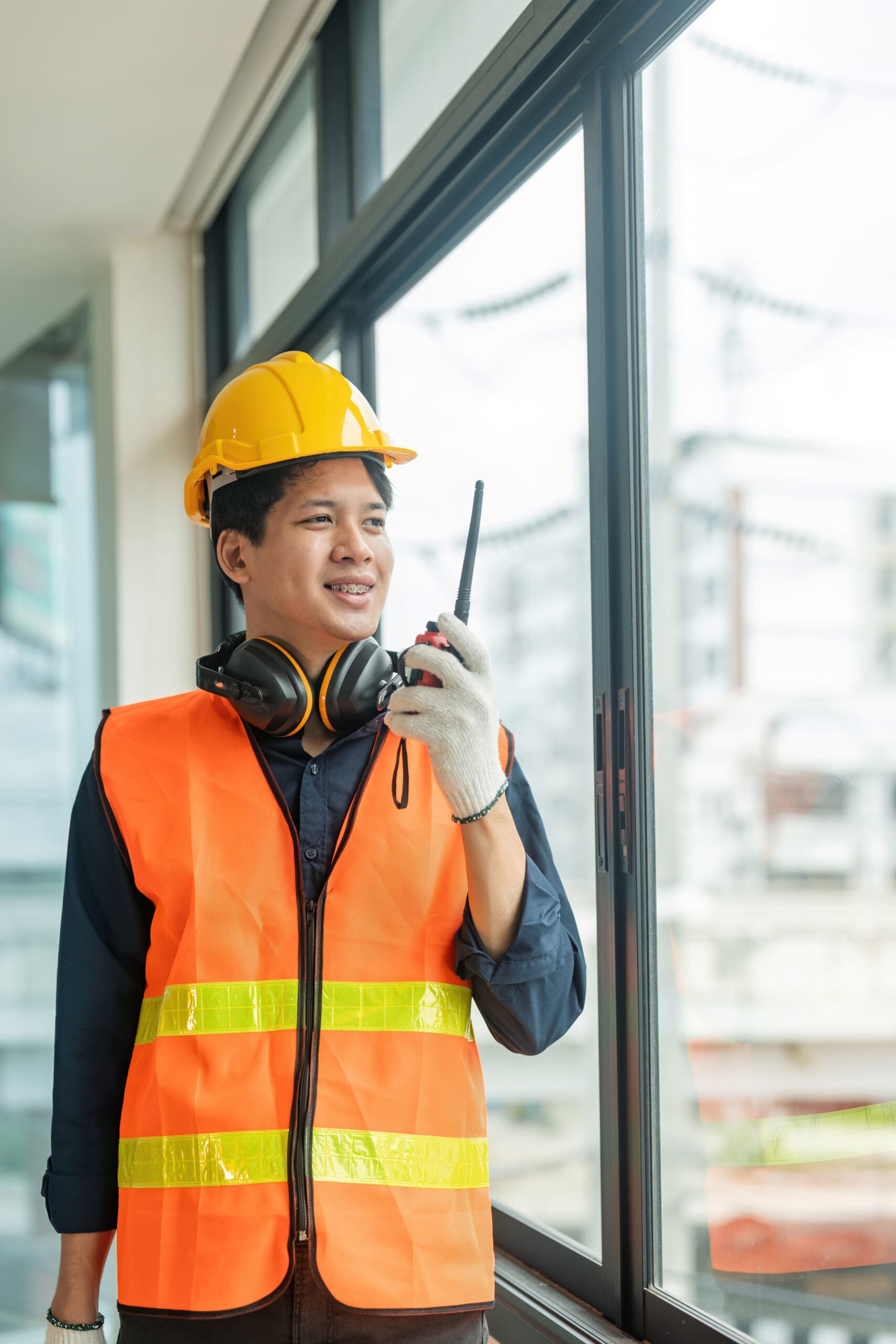
When a jobsite is loud and fast, small delays turn into big costs. Crews need quick, simple voice tools that cut through noise and keep everyone on the same plan. That is what Construction Radios are for: short, clear messages that help your team move, lift, pour, and finish with less guesswork.

Fleet Radio helps construction teams choose, set up, and support radios that fit the way they work.

On busy days, Construction Radios help you replace long walks and missed calls with fast, one-touch talk.

Whether you run one site or many, we can match coverage, channel plans, and accessories to your crews and your safety goals.

Request a Quote to talk through your site, your crew size, and your timeline.

Modern voice communication that helps crews move fast

Construction is full of moving parts: deliveries, equipment, trades, inspections, and last-minute changes. Phones can be slow, messy, or unsafe when hands need to stay on tools. With Construction Radios, crews can connect in one touch and keep focus on the task.

Common ways teams use radios on a jobsite:

  • Foreman-to-crew updates during active work

  • Crane and lift coordination

  • Concrete pour timing and truck staging

  • Spotter communication for backing and loading

  • Safety calls when conditions change

  • Quick questions across trades without leaving the work area

What to look for in Construction Radios

Not every radio is a good fit for a jobsite. The best option depends on your site size, terrain, building materials, and how your crew moves. Here are the key things to plan for when selecting Construction Radios. This checklist keeps Construction Radios dependable in real job conditions:

Coverage that matches the site

  • Open sites, steel, and concrete all behave differently

  • Multi-floor builds may need extra planning for signal reach

  • Temporary coverage tools can help on short projects

Audio that stays readable in noise

  • Loud speakers help in high-noise zones

  • Good mic design and noise filtering help calls stay clear

  • Headsets and remote mics keep voice close to the mouth

Rugged build for real work

  • Dust, drops, vibration, and weather are normal on site

  • A radio should be built to take daily wear

Battery life that lasts a full shift

  • Long shifts and overtime call for strong battery plans

  • Spare batteries and multi-unit chargers reduce downtime

Simple controls crews will actually use

  • Clear channel labels reduce mistakes

  • Easy-to-find push-to-talk keeps calls quick

Handheld Construction Radios for field crews

Most jobsites start with handheld radios. They are easy to carry, fast to use, and flexible across trades. Fleet Radio can help you choose handheld Construction Radios that fit your crew and your workflow.

Handheld setups often include:

  • Belt clips or carry cases

  • Remote speaker mics for gloves and hard hats

  • Earpieces for loud areas and private calls

  • Multi-unit charging stations for the trailer or office

Good handheld planning also means smart channel design. Instead of “Channel 1, Channel 2,” we can label channels by trade, zone, or role. That keeps calls clean and reduces cross-talk.

Mobile radios for trucks, supervisors, and site vehicles

When your team has trucks, pickups, or site vehicles, mobile radios can add steady power and better reach. These units mount in a vehicle and can connect to a strong external antenna. For many teams, mobile units become the “base” voice point on site.

Mobile Construction Radios work well for:

  • Supervisors moving between entrances and laydown areas

  • Logistics teams managing deliveries and gate access

  • Equipment support crews covering a larger footprint

  • Safety leads monitoring multiple channels

Repeaters and jobsite coverage planning

Some sites are simple. Others are spread out, hilly, or filled with signal blockers like concrete and steel. In those cases, you may need coverage help so your Construction Radios stay reliable from the gate to the top floor.

A repeater is one option that can extend radio range. For temporary projects, a jobsite coverage plan might include:

  • A site walk-through to map problem zones

  • A recommended antenna location and height

  • Channel and group planning to reduce traffic

  • A short setup checklist so crews start each day ready

We focus on practical steps that fit construction schedules, including fast installs, clear labels, and quick training.

Push-to-talk that runs on cellular networks for multi-site teams

Some construction teams run many jobs at once, or they have subs spread across a wide area. In those cases, push-to-talk that runs on cellular networks can be a strong option. It can work across town, across the state, or across the country where cell service is available.

This type of Construction Radios solution can be useful for:

  • Regional supervisors covering several sites

  • Dispatch-style coordination for deliveries and service calls

  • Mixed teams that need both on-site and off-site communication

We can help you compare radio-to-radio systems with cellular push-to-talk so you get a setup that matches your sites and your budget.

Construction radio rentals for short projects and surge needs

Not every job needs a full purchase. Rentals can be a smart way to cover:

  • A short build window

  • A new crew ramp-up

  • A special event or shutdown

  • A temporary safety need

Fleet Radio can provide rental Construction Radios with the basics already handled: charging, labeling, and a clean channel plan. We can also supply headsets, speaker mics, and spare batteries so your crews are ready on day one.

Programming, labeling, and support that saves time

Radios work best when they are set up for the real world, not left in a default state. Our team helps you avoid common pain points that waste time on site.

Setup help

  • Channel plans built around your roles and trades

  • Clear labels that match how crews talk

  • Volume and alert settings tuned for jobsite needs

Ongoing support

  • Add or remove radios as crews change

  • Replace worn accessories fast

  • Help troubleshoot coverage issues when the job evolves

Service and repair

If a unit takes a hard hit, we can help assess the damage and get your team back online with minimal disruption.

Don’t miss the call that keeps work moving

A jobsite runs on timing. When the right person gets the right message at the right moment, work stays safe, smooth, and on pace.

If you want fewer slowdowns and clearer direction, start with a simple radio plan that crews can learn in minutes.

A simple process for getting the right Construction Radios

1. Quick call: crew size, site type, and timeline

2. Match options: handheld, mobile, repeater, or cellular push-to-talk

3. Plan the channel map: clear labels, fewer mistakes

4. Deliver and stage: chargers, spare batteries, accessories

5. Support: changes, adds, repairs, and next-site planning

If you already have radios, we can also review what you own and suggest upgrades that make sense, without pushing what you do not need.

FAQs about Construction Radios

How many radios should a jobsite have?

A common starting point is one handheld per foreman and key role, plus shared units for crews that move as a group. Add spares so a dead battery does not stop work.

Do we need different channels for each trade?

Often, yes. Trade-based channels reduce cross-talk. A shared “site” channel can handle safety and all-hands updates.

Are headsets worth it?

In loud areas, headsets or remote mics can improve clarity and keep hands free. They also help crews hear messages without turning volume to the max.

Can radios work in tall buildings or concrete structures?

They can, but coverage planning matters. Some builds need antenna changes, better placement, or a repeater plan.

Can we mix purchased and rental units?

Yes. Many teams buy core units and rent extras during peak weeks.

How fast can we get a project set up?

If you know your timeline and crew count, setup can be straightforward. Planning channels and accessories early keeps the rollout smooth.

Can you help us standardize radios across multiple sites?

Yes. Standard channel names and a repeatable kit make it easier to move crews between projects.

What if we already own radios?

We can review what you have, confirm compatibility, and suggest the next best steps to improve coverage, clarity, and day-to-day use.

Need specs, manuals, or brochures for your team?

If your safety manager, GC, or site lead needs documents for planning and rollout, we can point you to the right resources for your setup.